Global Vision
Values that represent altruistic intentions.
Three decades of psychological research have produced a model designed to measure what drives long-term performance, retention, and leadership emergence. Just as importantly, it uncovers the hidden barriers that quietly limit individual and organizational success.
Book a demo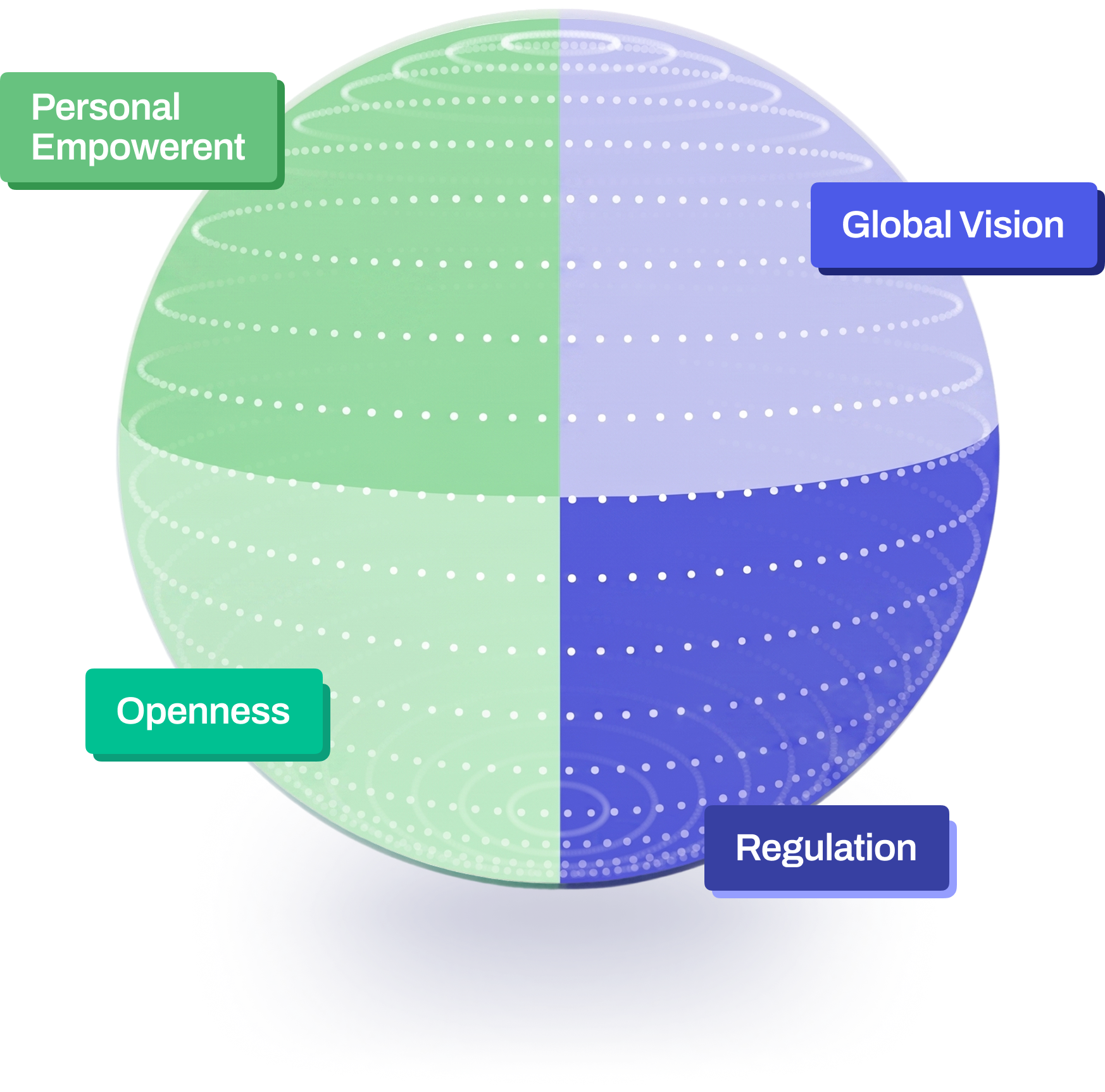
Our model groups all human values into four interlocking clusters. Where someone sits across these dimensions, their Value Profile predicts how they will perform, who they will work well with, and what will make them leave.
Values that represent altruistic intentions.
Values that represent self-governance.
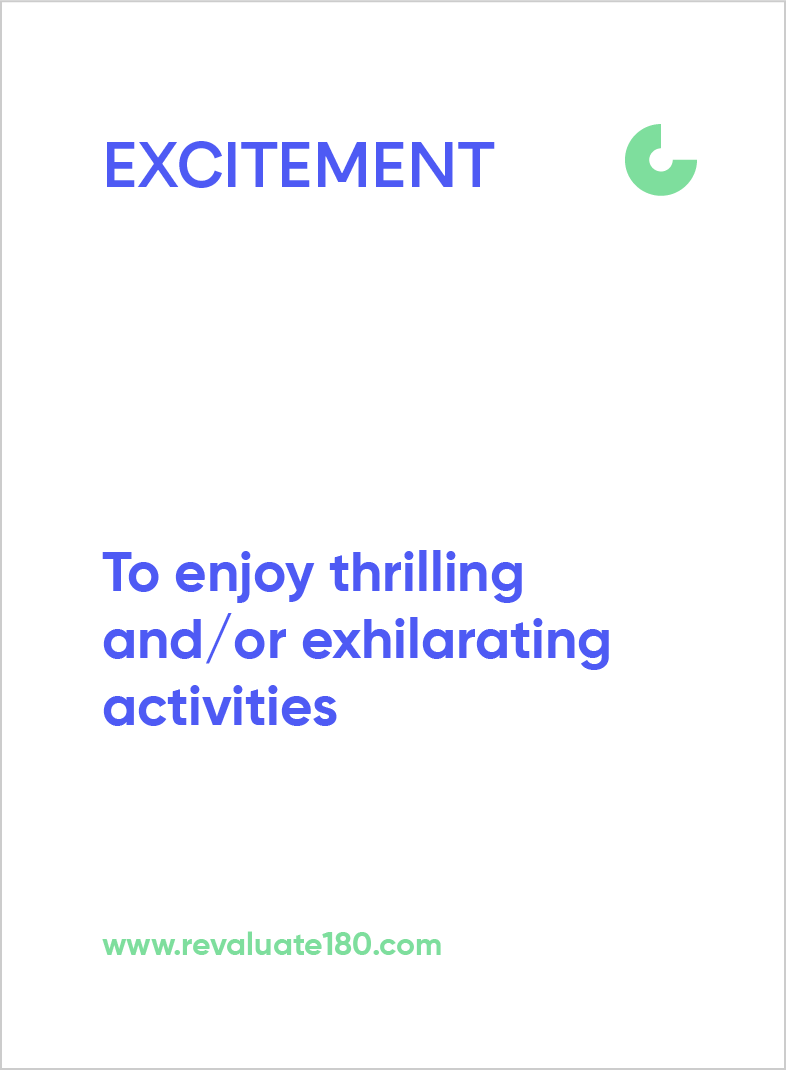
Values that represent self-improvement.
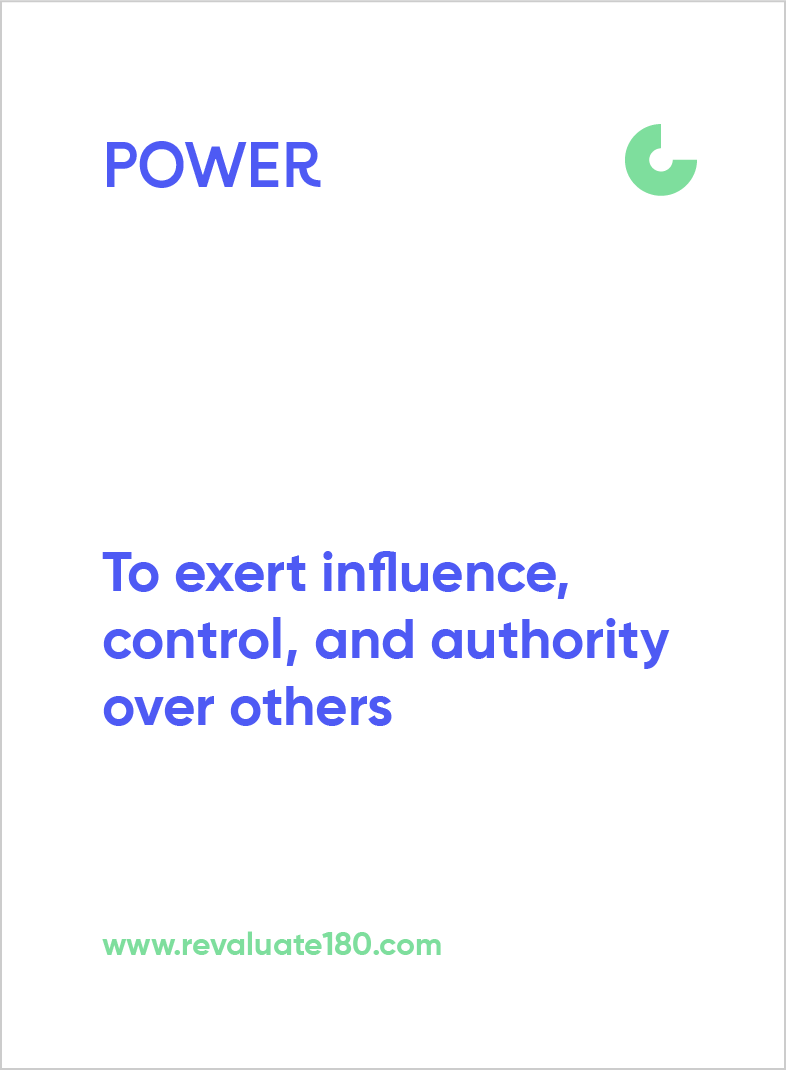
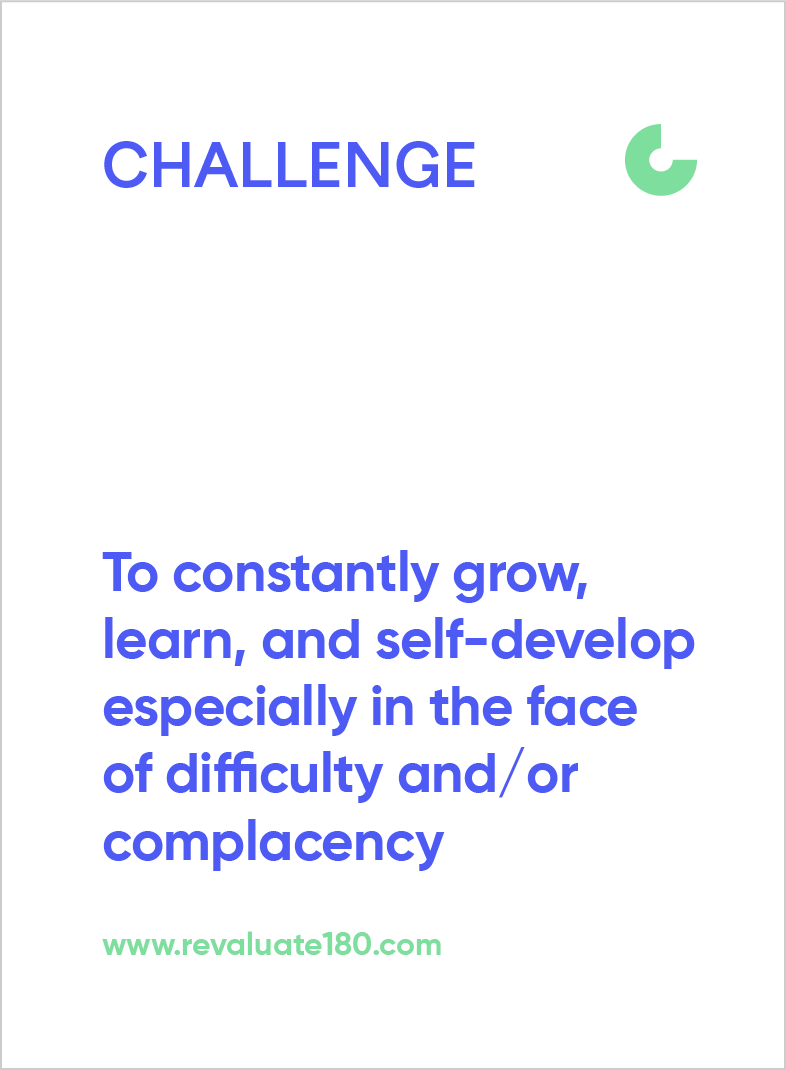
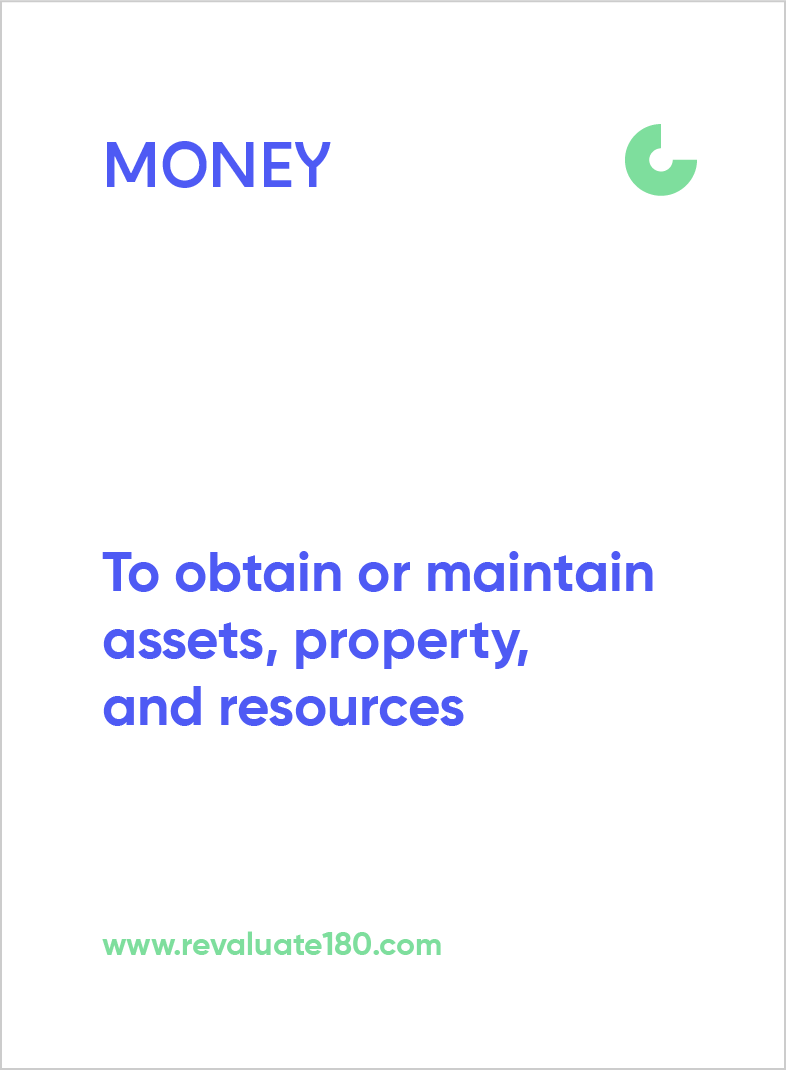
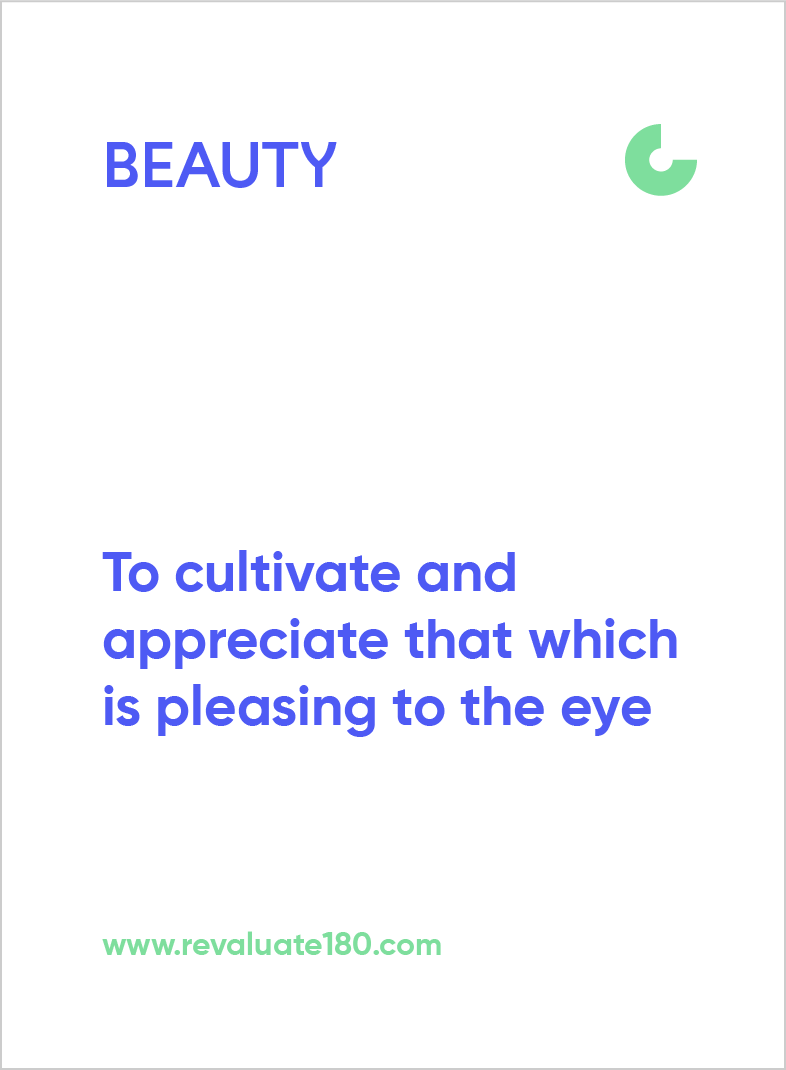
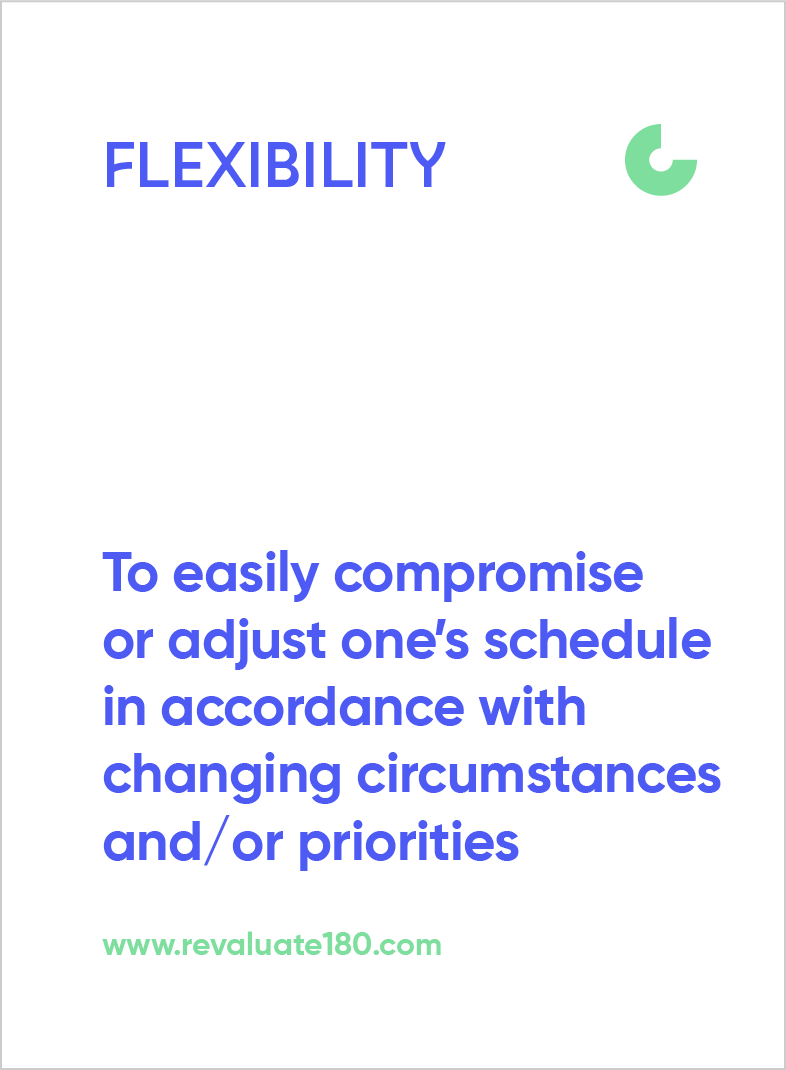
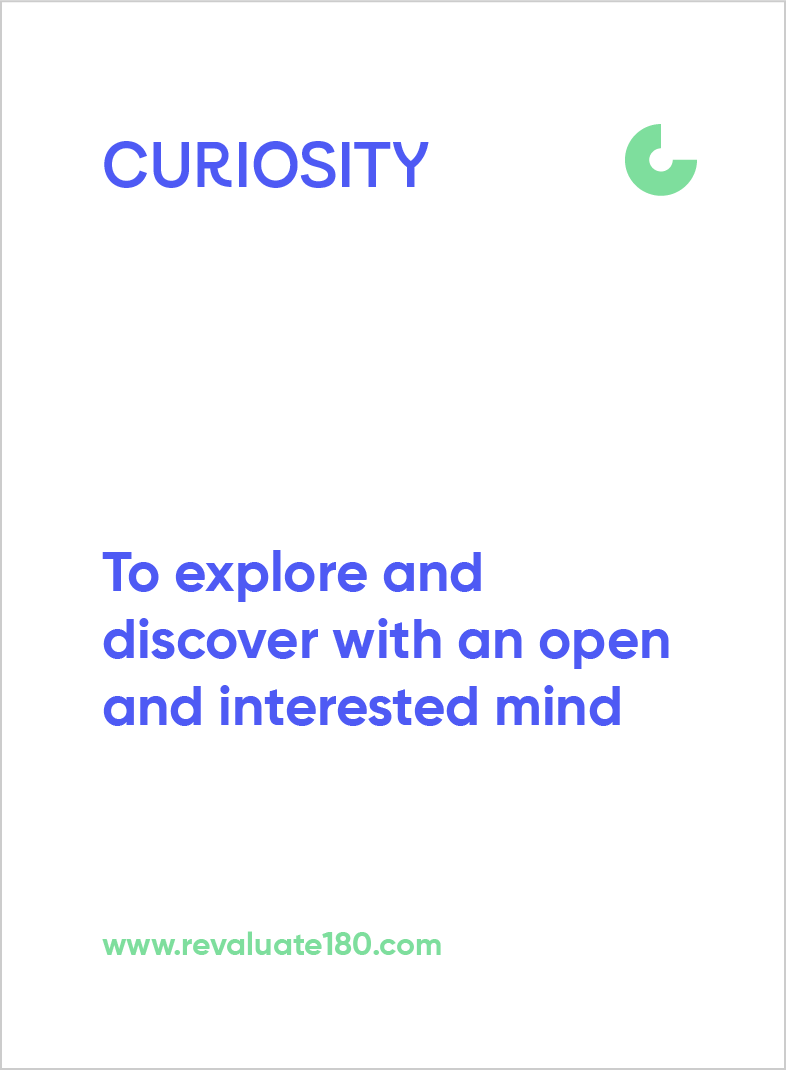
Values that represent new ideas and experiences.
Go deeper than a label: explore your values, not just your personality type.
Our proprietary analysis aims to increase productivity and well-being at every stage of the employee lifecycle. We provide quantifiable insights that help companies achieve greater long-term growth and profits.
Everyone has unique strengths, motivations and values, but unconscious patterns can sometimes limit their impact. Our analysis identifies behavioral blockers that may affect performance, collaboration, decision-making, and well-being.
A tendency to prioritize belonging and group harmony, which can make it
difficult to
challenge ideas, share alternative
perspectives, or raise important concerns.
A pattern of taking on responsibility beyond
what is required, often
driven by a desire to
meet expectations or support others. Over
time, this can contribute to
stress, fatigue,
and reduced effectiveness.
Occurs when an individual’s core values
differ significantly from the
environment in
which they work, creating friction that can
affect engagement, motivation, and
satisfaction.
These steps guide you to fully understand yourself and what motivates you, leading you on a journey toward lasting fulfillment, success, and overall wellness.
your values and their
ensuing behaviors
new value pathways by
discovering unconscious behaviors
progress by turning insight into routine,
to achieve and thrive at full potential
Each participant generates a Value Profile and Feedback Report covering value priorities, blockers operating beneath conscious awareness, and lost or forgotten values that, when recovered, materially improve performance and well-being.
Individual Value Profile: deep insight, plain English
Team Cross-Analysis showing alignment and friction
Job–Candidate Match Score for hiring decisions
Organizational psychologist debrief for every participant
Longitudinal dashboard for HR and leadership